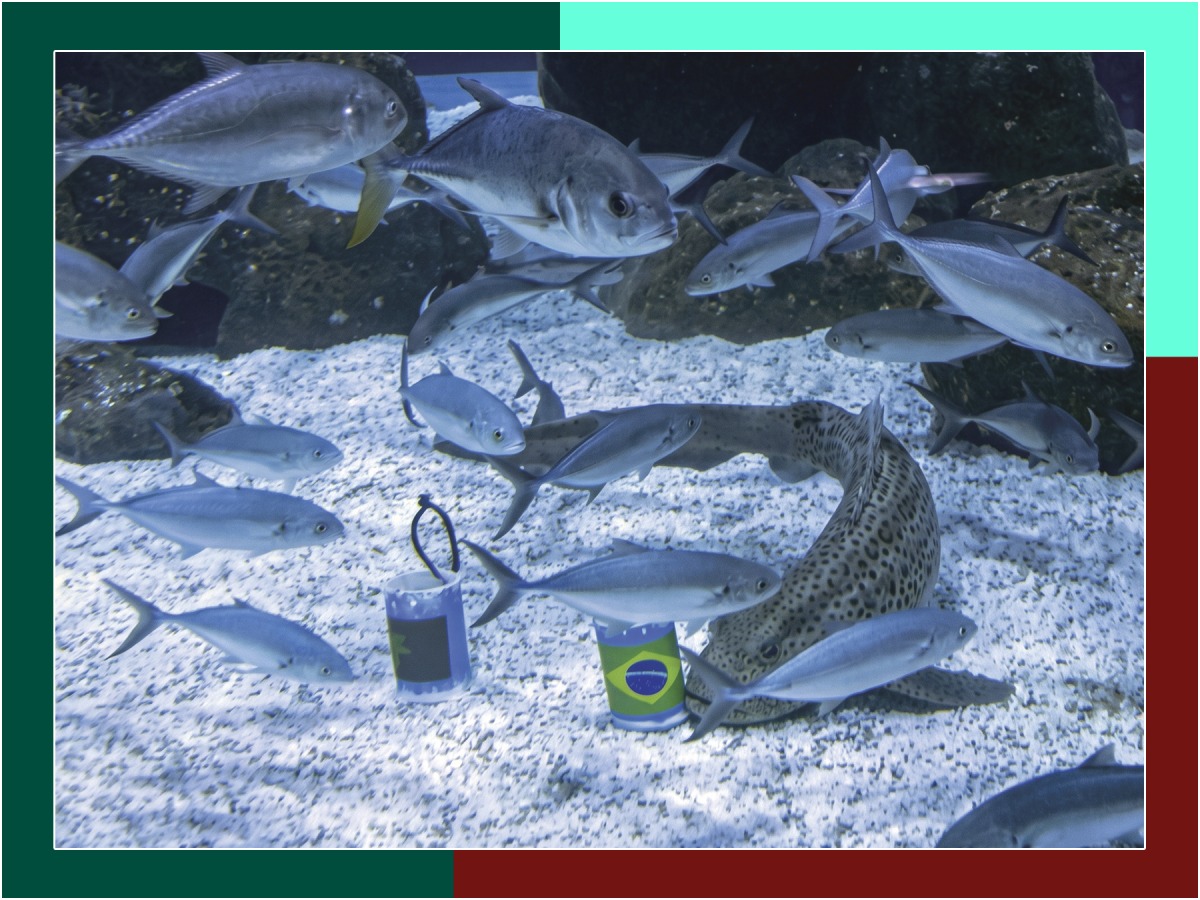
Ritinha is not an expert in football, or any other sport – but just a female sandbar shark currently residing at the Rio de Janeiro’s AquaRio aquarium.
Doha, Qatar: “Brazil will win their FIFA World Cup opener against Morocco.” That is what Ritinha predicts.
Ritinha is not an expert in football, or any other sport – but just a female sandbar shark currently residing at the Rio de Janeiro’s AquaRio aquarium.
World Cup predictions usually come from former players, coaches and data analysts. However, Ritinha is the latest to join a unique list of match outcome predictors which solely consist of ‘animals’.
Ritinha swam to the tank with the Brazilian flag on it instead of the one with the Moroccan flag to name the five-time champions as the winners of the Group C clash against the African heavyweights on June 14, making headlines and adding a new chapter to football’s long-running fascination with animal predictors.
Although these predictions lack any scientific validity, they are a great source of entertainment during the biggest of tournaments.
“Through the attention that Ritinha is gaining... We hope to bring more knowledge about sharks to the public,” The director of AquaRio, Marcelo Szpilman told international media following the prediction which went viral after the clip on the internet, gained the admiration of users all across the world.
Ritinha added yet another chapter to the many predictions made by animals.
One of the most notable predictions to come out of an animal occurred during the FIFA World Cup 2010 when Paul the octopus, lived at a German aquarium, became an overnight celebrity after predicting seven out of Germany’s matches as well as Spain’s win in the World Cup finale.
By the 2014 FIFA World Cup, the phenomenon had gone global, with animals including an elephant called Nelly, a kangaroo known as Flopsy and a bunch of Chinese pandas predicting match outcomes through eating choices or their natural behaviors.Different nations participated in the growing trend by relying on animals native to their countries, transforming the prediction of the results into a fun cultural occasion which further engaged fans.
This custom continued at subsequent World Cup tournaments, including in 2018, with Russian cat Achilles predicting many of the matches during the finals.
Despite assurances from experts that the predictions were entirely based on luck rather than any superior intuition, interest was growing, and the tradition followed on into the 2022 World Cup.
During the Qatar 2022, two giant pandas Suhail and Thuraya, who arrived in Qatar from China, made ‘psychic’ predictions for matches, including picking the winner of Qatar vs Ecuador.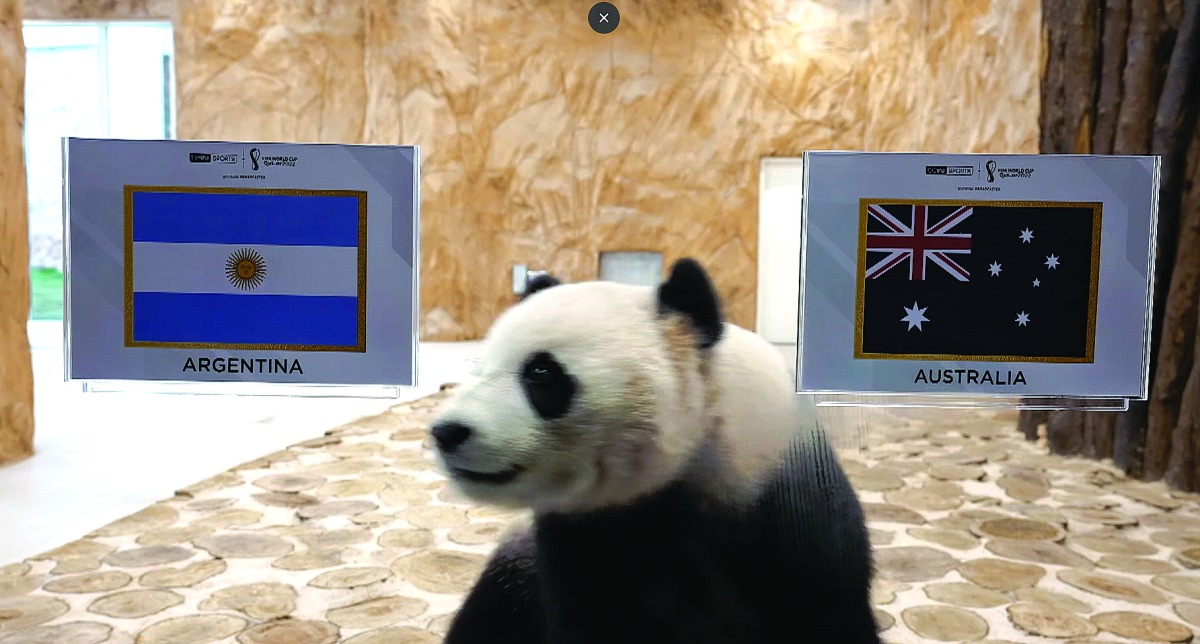 During the Qatar 2022 giant pandas Suhail and Thuraya made ‘psychic’ predictions for matches.
They also predicted Argentina to beat France in the 2022 World Cup final as fans enjoyed the outcome.
Even though animal predictions can sometimes be correct and are not backed by science, they create a lot of interest among fans.
Scientists say animal predictions of football matches are largely the result of chance rather than any ability to foresee future events. Animals typically choose between food bowls, boxes or flags representing competing teams, making their selections simple behavioural choices.
Experts also point to factors such as side preferences, bowl placement and human presence as possible influences to the outcomes.
The prediction that Ritinha made will only be verified when Brazil faces Morocco during their opening match on Sunday, but - win or lose - Ritinha’s predictions will surely remembered within the long line of entertainers related to the ‘beautiful game.’